
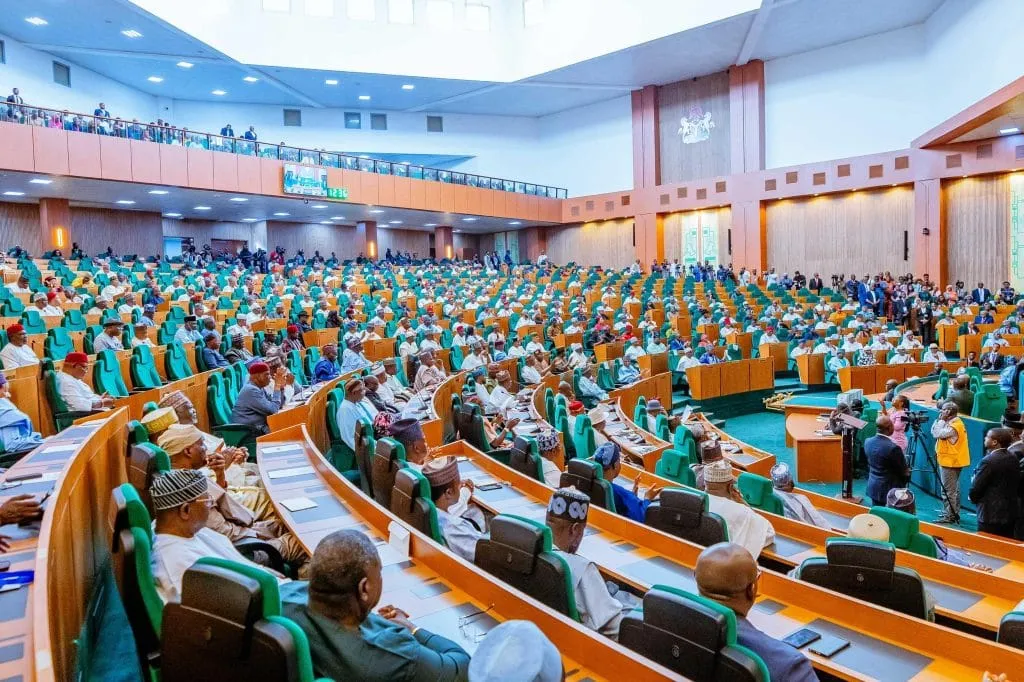
 Photo: USAfricaLivePhoto: USAfricaLive
New capital and reserve requirements for crypto firms and stablecoin issuers could reshape licensing and compliance costs for operators in one of Africa's largest crypto markets.

The Central Bank of Nigeria issued Regulations for the Operations of Non-Security Virtual Assets, establishing rules for stablecoin issuers, crypto payment providers, exchanges and custodians. TradingView+2 The regulations took effect immediately, and existing operators have 180 days to apply for licences or authorizations. TradingView Foreign-currency stablecoin issuers must maintain minimum paid-up capital of N15 billion, while naira stablecoin issuers must maintain N10 billion. Tangem+3 The central bank has banned algorithmic stablecoins and requires all stablecoins to be fully backed by reserves plus an additional buffer. TradingView+2
Industry experts have warned that the N15 billion capital requirement may shut out smaller indigenous fintech companies and emerging players, though they acknowledged the rules would strengthen accountability and public confidence. LEADERSHIP Newspapers The framework follows President Bola Tinubu's July executive order, which sought to coordinate crypto oversight among Nigerian authorities without changing their existing powers. TradingView The rules also introduce stricter approval processes and enhanced identity verification for peer-to-peer crypto trading, and foreign firms cannot circumvent them through offshore licences or intermediaries. Tangem+1
Existing operators have 180 days to apply for licences or authorizations under the new regulations. TradingView
Photo: USAfricaLive Photo: LEADERSHIP Newspapers
 Photo: Nigeria Info, Let's Talk!