
 Photo: Ugur Akdemir, UnsplashPhoto: Ugur Akdemir, Unsplash
The budget keeps a slim fiscal buffer and reorders energy policy around affordability, shaping tax, bills and grid decisions for businesses and government.
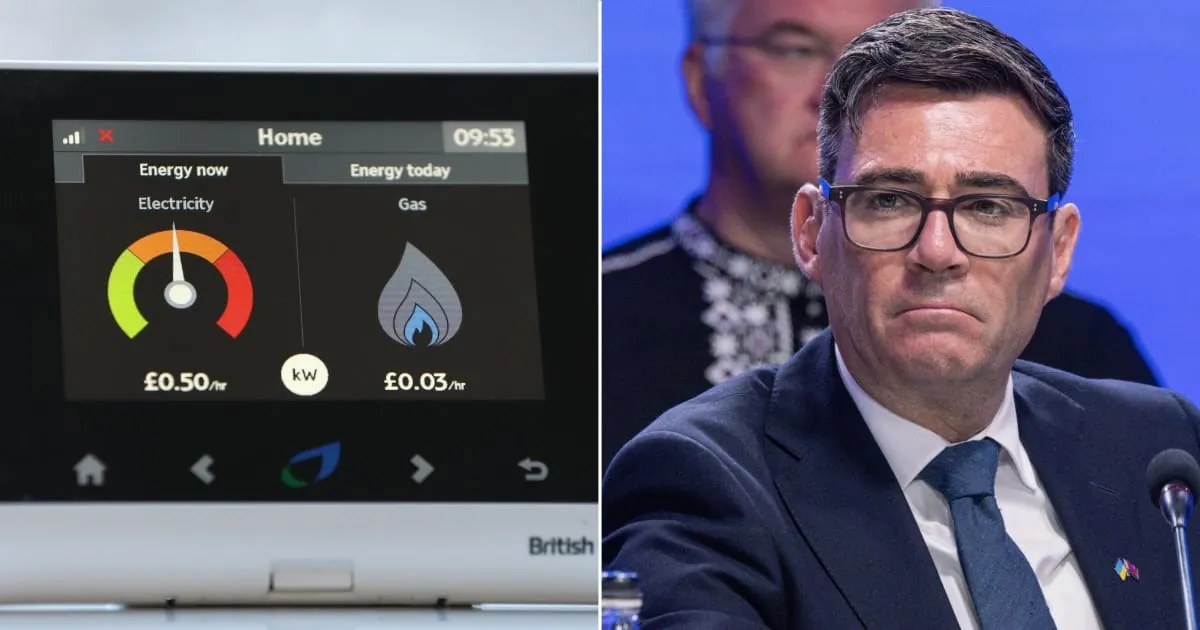
Chancellor John Healey delivered the UK autumn budget, keeping a fiscal buffer of £14.5bn against the fiscal rules, down from £23.6bn at the spring statement. worldviewadvisory.com+1 Tax rises were limited to £7.5bn by 2031-32, mostly through tighter compliance to close the tax gap, a higher bank surcharge, and higher taxes on property and savings income. worldviewadvisory.com+1 The budget introduces a new Cost Control Framework and a lower bills test for all new generation, placing affordability at the core of energy policy. worldviewadvisory.com+1 The government proposes fixed-price contracts for legacy renewables, prioritizes strategic grid connections for government-chosen projects, and recapitalizes the National Wealth Fund. worldviewadvisory.com+1 Spending measures include energy bill support of £100 for households, with payments starting from 4 January, according to the Treasury. worldviewadvisory.com+1
The tax burden will still reach a record 38.6% of GDP, according to the analysis. worldviewadvisory.com+1 Planned gilt issuance of £251bn was slightly above expectations, though gilt yields moved slightly lower as the budget largely did no harm. worldviewadvisory.com+1 Wholesale gas prices have risen nearly 200% since February, according to the legal analysis. Legal 500 The Office for Budget Responsibility put the government's headroom at £15bn in 2029-30, and the Finance Bill passed its second reading in the Commons by 311 votes to 164. Polling Forecast
The Finance Bill goes to a committee of the whole House on 30 November and 1 December. Polling Forecast Harder decisions on defence spending, welfare reform and backloaded spending cuts were pushed to the 2027 spending review. RSMR Investment Research
Photo: Ugur Akdemir, UnsplashPhoto: Ugur Akdemir, Unsplash Photo: Gazette