
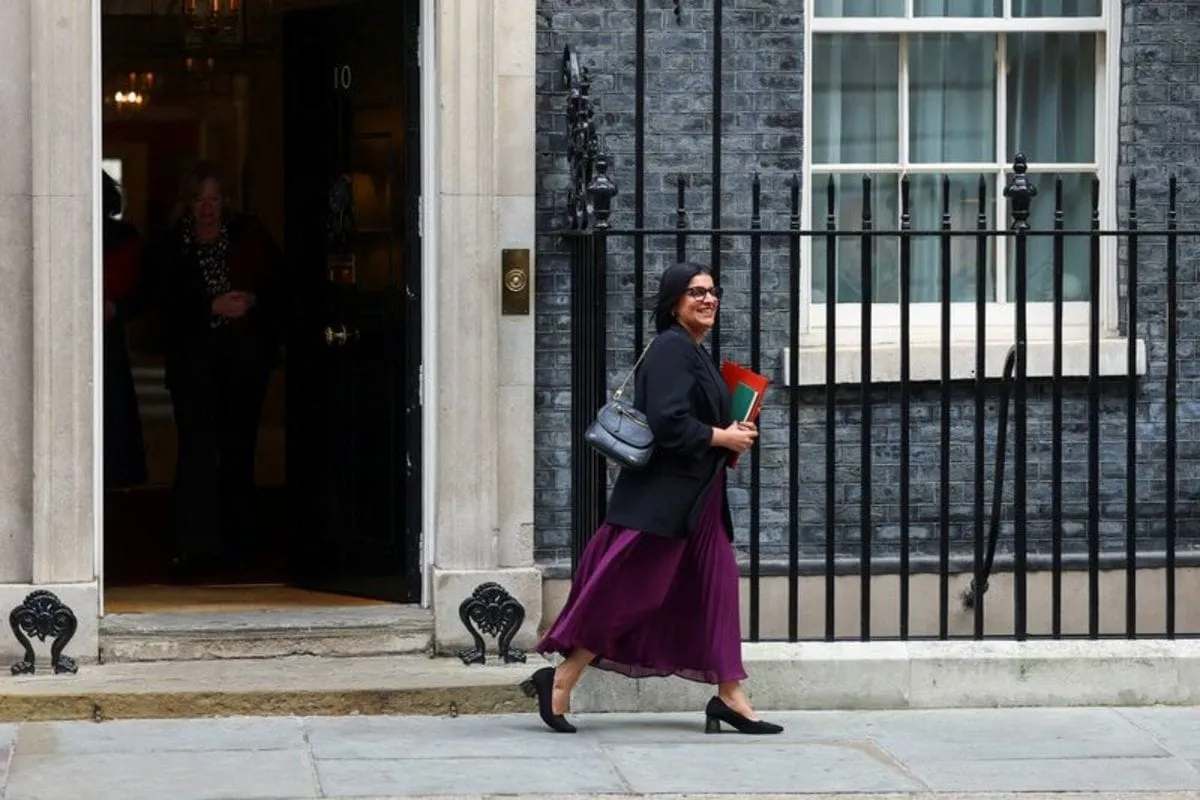
 Photo: Yahoo NewsPhoto: Yahoo News
The Chancellor's 28 October Budget avoided big spending or borrowing, raising modest sums from savers, landlords and banks while markets barely reacted.
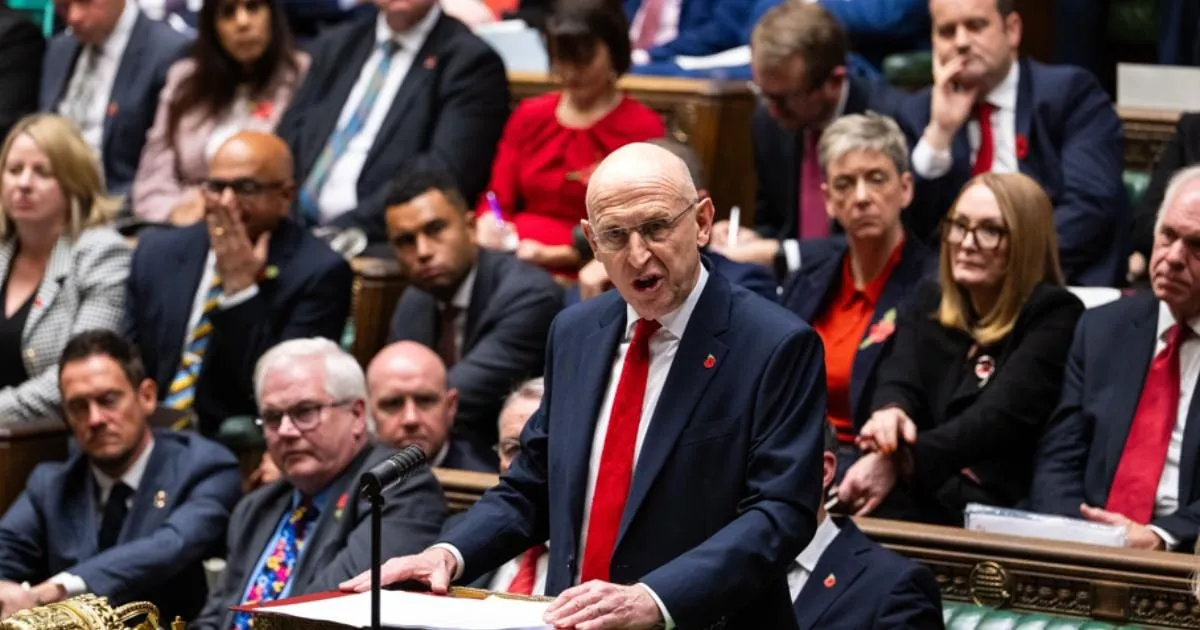
Chancellor John Healey delivered his first Budget on 28 October 2026, after Andy Burnham became Prime Minister. Baker McKenzie+2 With limited room to borrow and a commitment not to raise income tax, national insurance or VAT, the Budget was a raft of small measures rather than a blockbuster. Deloitte United Kingdom It targeted savers, property owners and banks, and raised duties on alcohol, tobacco, car tax and Air Passenger Duty. fourfifty.co.uk+1 Energy costs were the main concern: a £100 fuel payment goes to each household in council tax bands A to D, at a cost of £2.6 billion, and gas standing charges are to be abolished next year. fourfifty.co.uk Britain's financial markets barely reacted, and no changes were made to welfare, with new legislation pushed to next year. fourfifty.co.uk
The Financial Times estimated Healey gave away £7.6 billion in 2026-27, with planned tax rises raising £6.5 billion by 2030-31, modest next to predecessor Rachel Reeves's £66 billion in tax rises across two budgets. fourfifty.co.uk Deloitte's UK chief economist said the energy support would offset only a fraction of the rise in living costs since the war in Iran began. Deloitte United Kingdom On employee taxes, personal allowances and basic rate limits stay frozen, capital gains tax rate increases did not materialize, and the Company Share Option Plan individual limit doubles to £120,000 from 6 April 2027. Baker McKenzie Conservative MP Andrew Murrison called the Budget a wasted opportunity, noting it set out no clear plan to reach 3% of GDP on defence by 2030. Wiltshire Times
Finance Bill 2026/27 will legislate several measures, including a lower £300 million expenditure threshold for a service whose access expands from 4 November 2026. charteredaccountants.ie Advance corporation tax legislation will be repealed on 1 April 2031, and EMI and EMI2 will operate independently from April 2027. charteredaccountants.ie+1
Photo: Yahoo News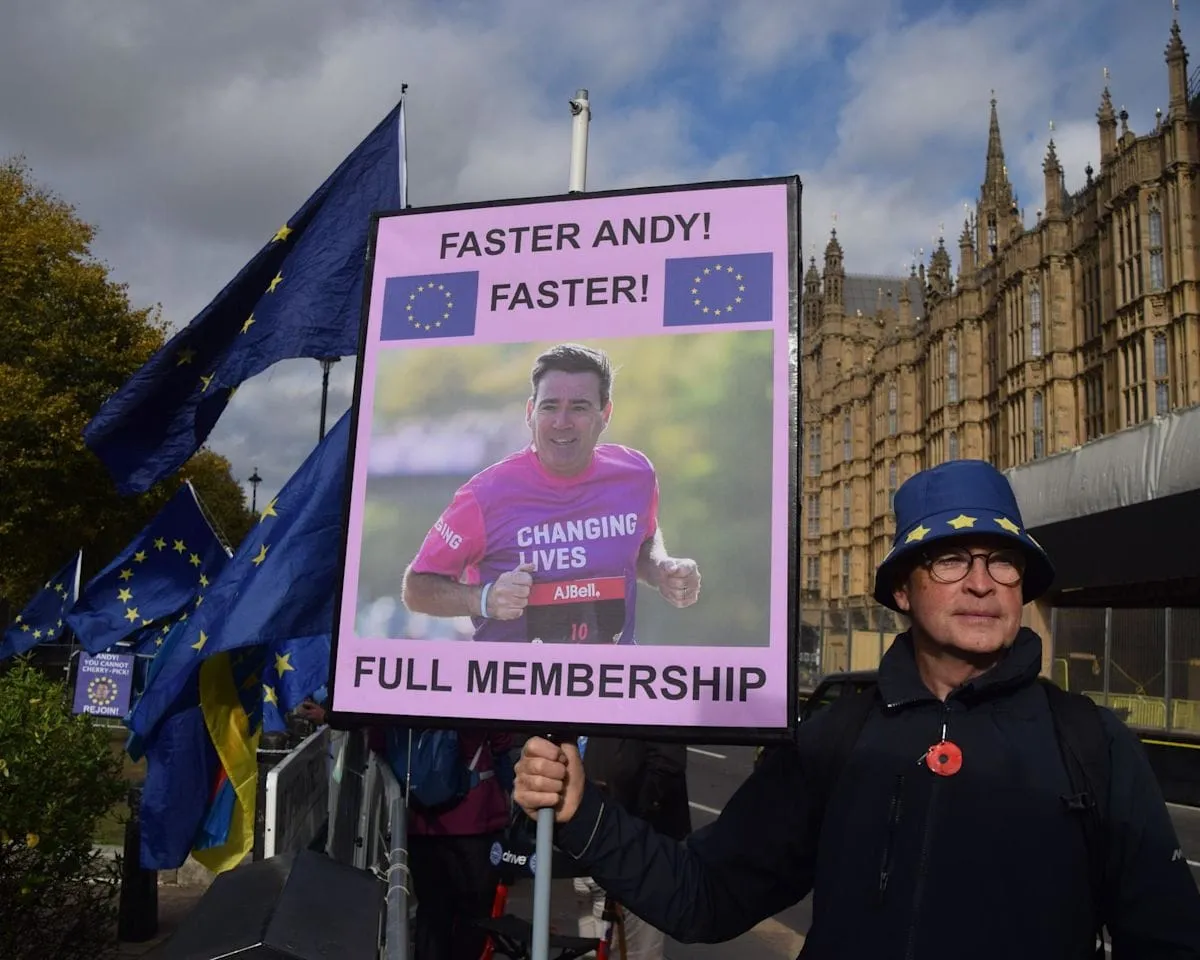 Photo: Yahoo News
 Photo: Ugur Akdemir, Unsplash