
 Photo: Conservation newsPhoto: Conservation news
The proposed Section 301 duties, up to 40 percent, could reshape trade costs for major partners and aim to restore tariff leverage after a court ruling.
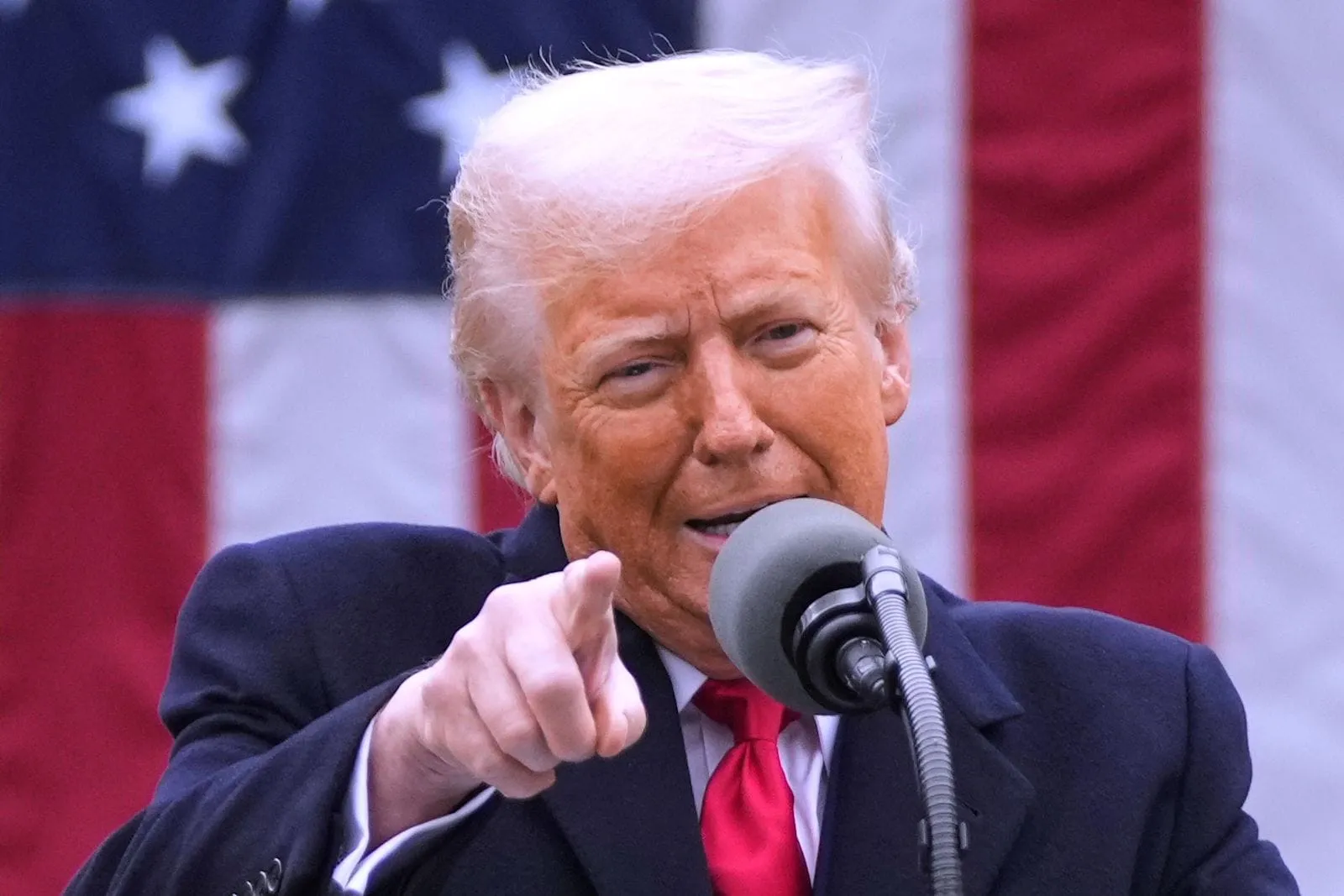
The Trump administration proposed new tariffs on 14 major trading partners, including China, Japan, the European Union, India and South Korea. ITV News+3 The US Trade Representative said the practices of the 14 economies relating to excess industrial capacity in manufacturing are unreasonable and burden or restrict US commerce. AP News+1 Proposed maximum rates range from 20 to 40 percent, with China facing a 20 percent rate. Raleigh News & Observer+2 The tariffs would be imposed under Section 301 of the Trade Act of 1974 after an eight-month investigation. Raleigh News & Observer+1 The tariffs are subject to a public comment period and could take effect as early as January. afp.com+1
The proposal follows a February Supreme Court ruling that struck down most of Trump's broad global tariffs imposed under a national emergencies law. AP News+2 Japan said it does not have non-market policies or structural excess production capacity and called the proposed measure regrettable. afp.com The US Trade Representative said the tariffs would be capped at lower levels agreed under completed or ongoing trade deals, and the EU rate of 15 percent is in line with its existing deal with the United States. Raleigh News & Observer+1 China said it reserved the right to take measures against the new tariffs, and Vietnam said it is working with the United States on a trade deal. AP News+1
Trade issues are expected to be on the agenda of a December summit between Chinese leader Xi Jinping and President Trump. Tacoma News Tribune
Photo: Conservation news Photo: The Center Square
 Photo: dw.com