The BC Conservatives, led by Lorne Doerkson, won a commanding majority on October 24, ending nine years of NDP government. In our view, British Columbians should expect a fast pivot to fiscal restraint, faster permitting, energy and resource development, and a new approach to reconciliation that begins with the promised repeal of DRIPA.
The result
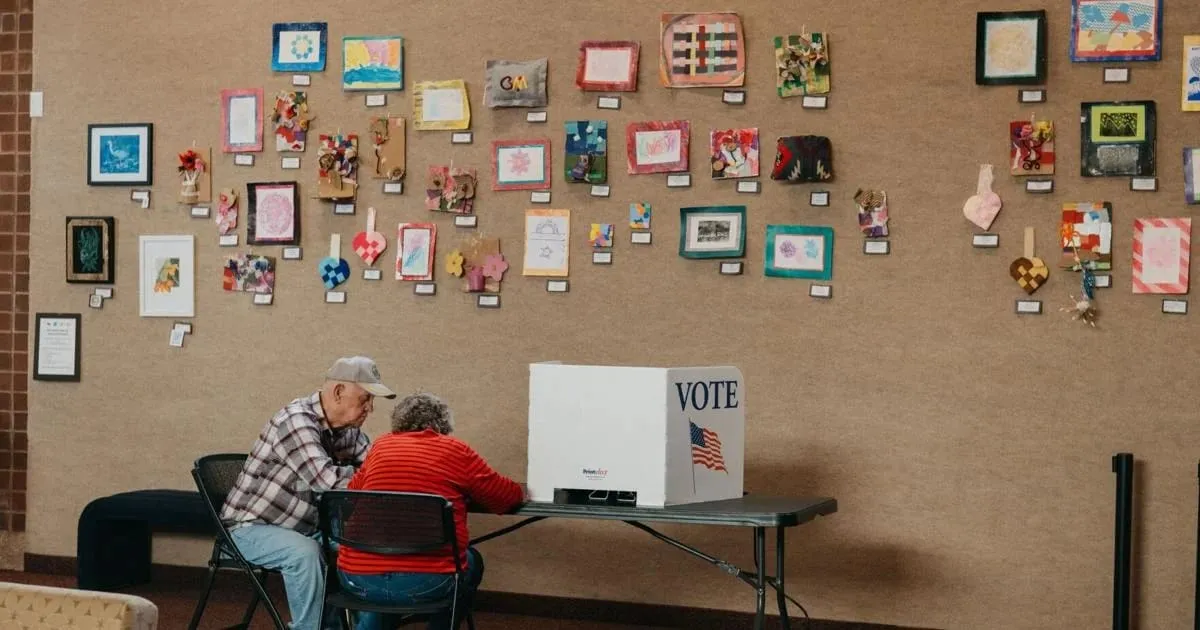
Elections BC’s preliminary count has the Conservatives leading in 64 of 93 ridings with 48.1% of the vote, against 27 for the NDP and 2 for the Greens. It is the party’s first majority since 1928. A few close ridings could flip in the final count, expected November 6 to 10, but the majority is not in doubt. The NDP called the election two years early; it is now the Official Opposition and will hold a leadership race.
The mandate and the transition
The mandate is broad, with seats in every region. It rests on a coalition of former BC United centrists and social and grassroots conservatives, in a caucus probably more right-leaning than most since the 1980s. Our read is that voters punished the NDP for the early election and now expect a “return to normalcy”: balanced, competent government built on more conservative principles.
The transition team is chaired by a former head of the B.C. public service and former Deputy Minister of Finance, a signal of an institutional, Treasury Board-literate approach. We expect cabinet to be sworn in within roughly two to four weeks, then a short fall sitting or throne speech, a fiscal review, a hiring freeze, red-tape legislation and DRIPA repeal, with the first full budget in February 2027.
Policy themes to watch
- Fiscal restraint. The government inherits a reported $13.8 billion deficit. Commitments include a non-front-line hiring freeze, a core review of most ministries, a 20% cut to consultants, an income-tax cut, “no new taxes” and a 180-day tax-simplification panel.
- Permitting and red tape. A Minister for Red Tape Reduction, a “one-in, two-out” law and a 120-day Permitting Act for projects over $250 million.
- Resources and energy. A plan to double natural gas production by 2032 and make B.C. the fastest jurisdiction in North America to permit a mine or LNG plant.
- DRIPA and reconciliation. Repeal is committed, with a promise to honour existing First Nations agreements on LNG, pipelines and transmission. We expect repeal to be contested, and litigation is likely.
- Indigenous equity. The platform commits to rebuild the province’s equity-financing program on the Alberta and Saskatchewan models. In our view, Indigenous ownership could become one of the main paths to project certainty.
- Crown corporations. The platform does not propose selling BC Hydro, ICBC or other Crowns. We expect mandate reviews and audits, and see partnerships, such as Indigenous or private minority equity in new transmission, as more plausible than sales.
What this means for investors and proponents
Proposals that depend on new operating spending will struggle. Those that unlock private capital, shorten approval times or raise revenue without new taxes fit the new government better. Build DRIPA litigation, the unsettled leadership question and caucus-management risk into project timelines. The transition and mandate letters set priorities now; the expected February 2027 budget and the tax panel are the next major openings.
This analysis reflects public information available as of October 25, 2026, including preliminary election results.


 Photo: The Globe and Mail